Learn to Draw
Key Summary
You don't need expensive equipment. A good pen, a pencil and a sketchpad is all it takes.
Line drawing is a great place to start. One line, no shading, no pressure.
Pinterest is brilliant for finding simple, achievable reference images.
Having constraints, like a coin brief, can unlock creativity in a way that a blank page can't.
Drawing whilst watching TV is one of the best ways to keep the habit going.
Landscapes and buildings are more forgiving than people. Start there.
How It Started
I've always been a little envious of people who can draw well.
Not in a serious, technical way. Just the ability to capture something quickly on paper, to make it look like the thing it's supposed to be. It always seemed like one of those skills that either you had or you didn't.
I wanted to find out whether that was actually true.
I started simply. A new sketchpad from my local craft shop, a couple of quid, a pencil for sketching out ideas and my favourite pen for committing to them. The Pilot V Ball 0.7mm, if you're interested. I'm quite particular about pens 😅
Starting on a fresh page of a new sketchpad is genuinely one of the harder things. I was worried about ruining it. So I got one where I could rip out the pages, which meant only the ones I liked would stay in. That helped more than I expected.
The Experience
I started with line drawing. Simple outlines, no shading, minimal detail. The logic being that if I kept it simple, I couldn't overthink it.
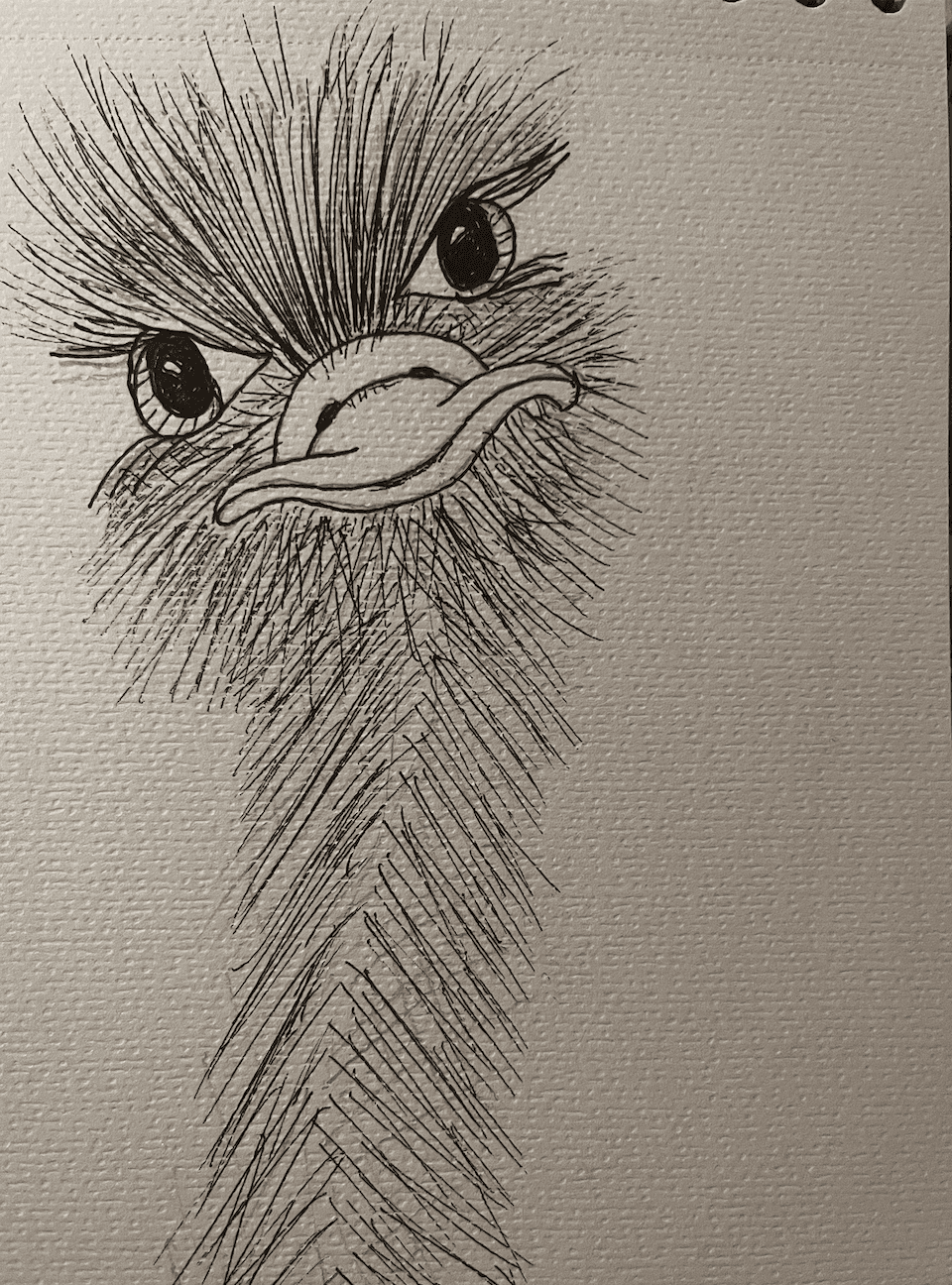
After looking on Pinterest and a few other places for inspiration, I settled on a few subjects to try. An ostrich was my first attempt and went reasonably well.
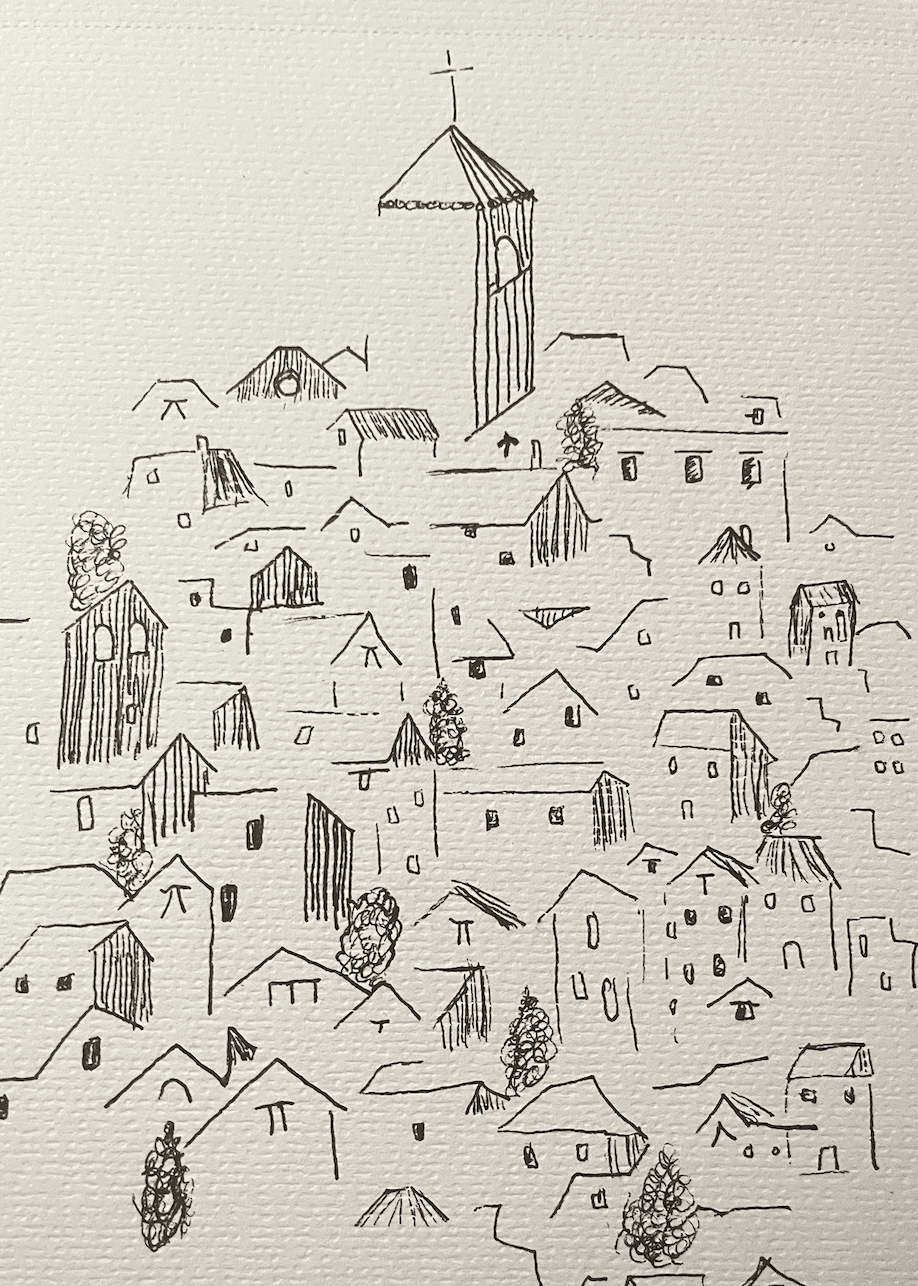
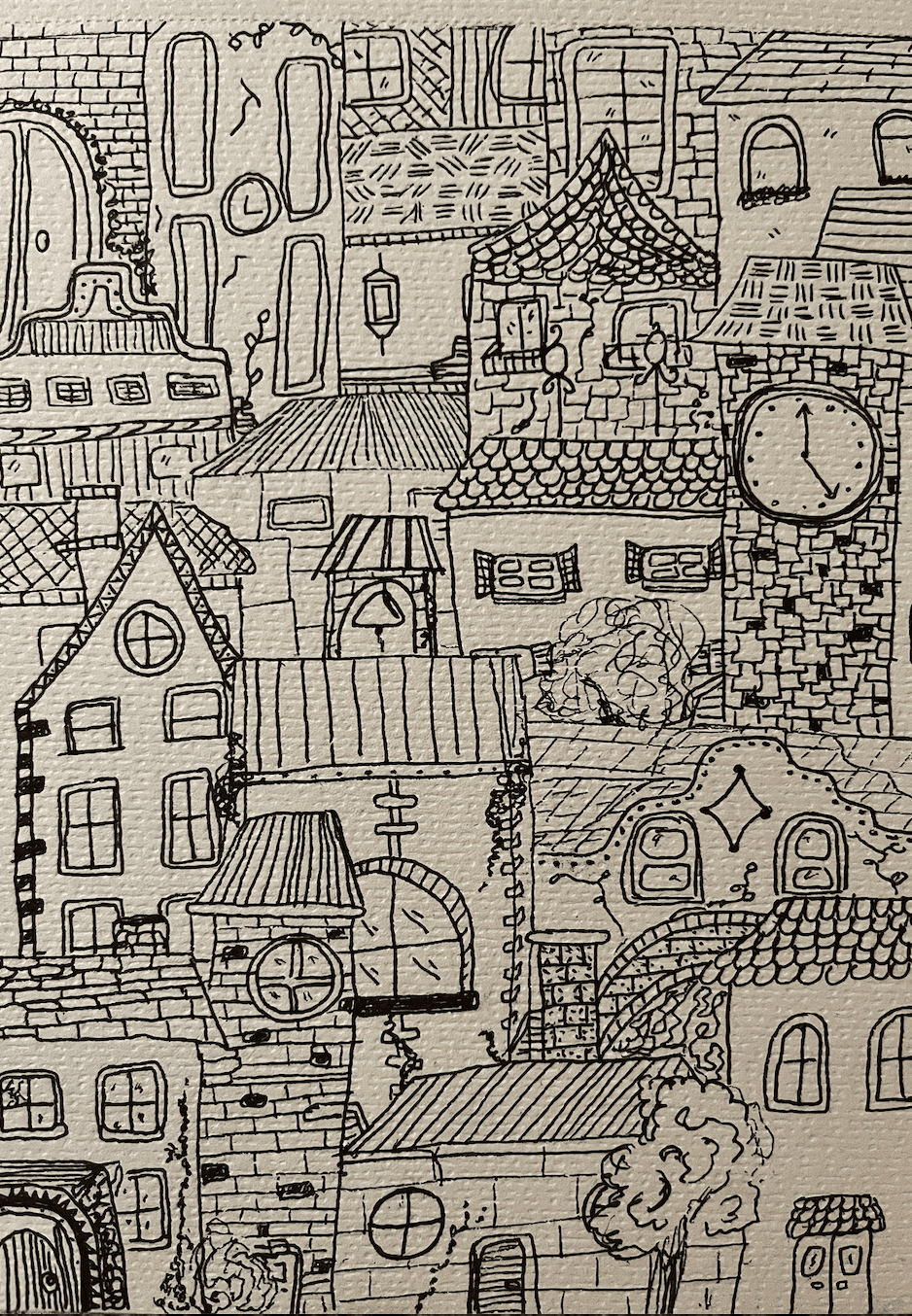
From there I moved into more freestyle territory (well doodling while watching TV). Buildings, street scenes, a monastery, and mountains inspired by the back of a comedy show I stumbled across on YouTube.

I'd find something I liked the look of and just start drawing/ doodling.
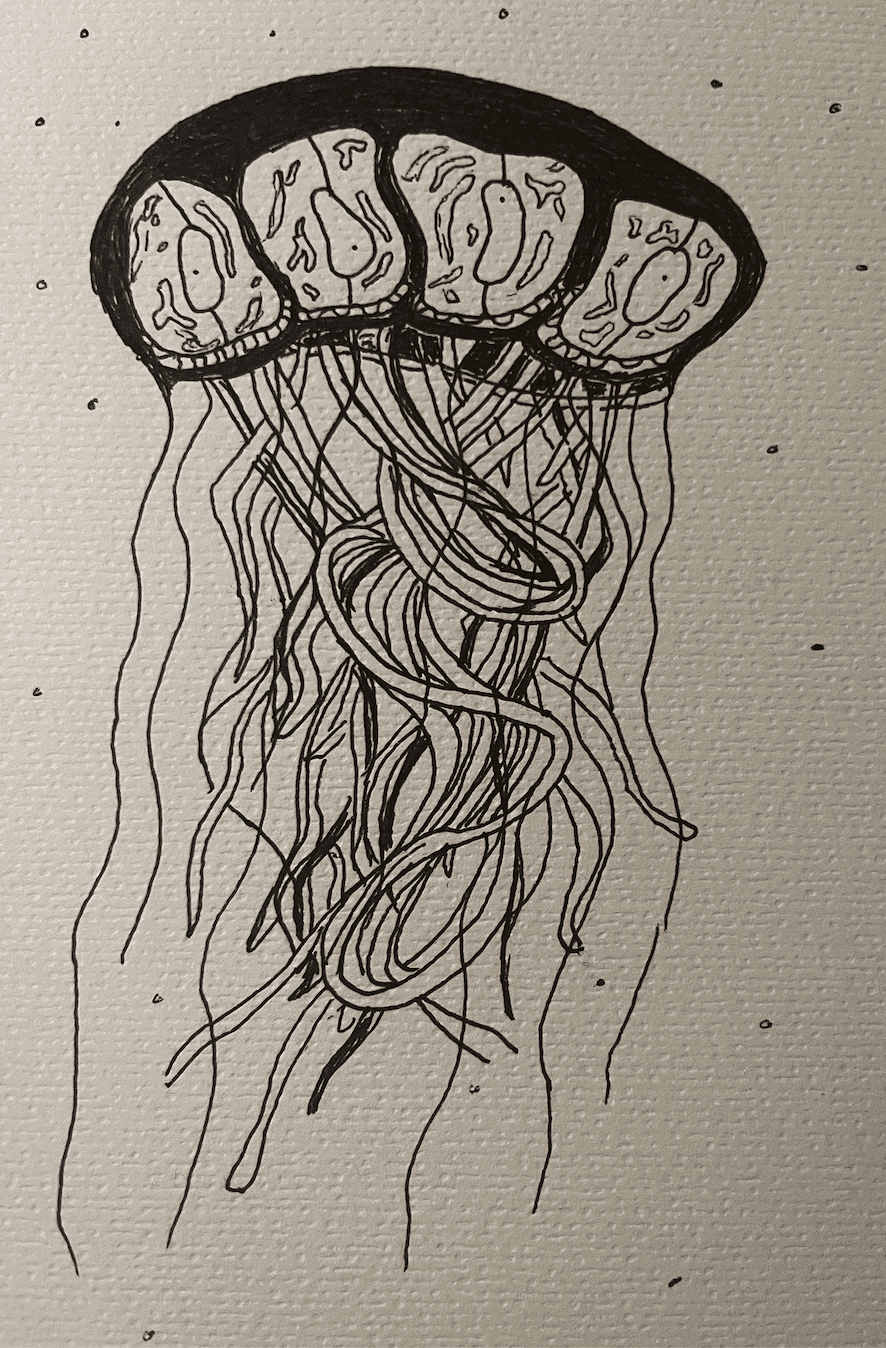
Marine life came next. Jellyfish are surprisingly satisfying to draw. So is an aqua scape scene, all plants and bubbles and flowing lines.
Then I found a competition.
The King's Trust, formerly the Prince's Trust, was celebrating its 50th anniversary in 2026 and had partnered with the Royal Mint to find a design for a commemorative coin. The brief was to capture the values of nature, care and community in a single image small enough to sit on a 50p.
I submitted three design concepts:
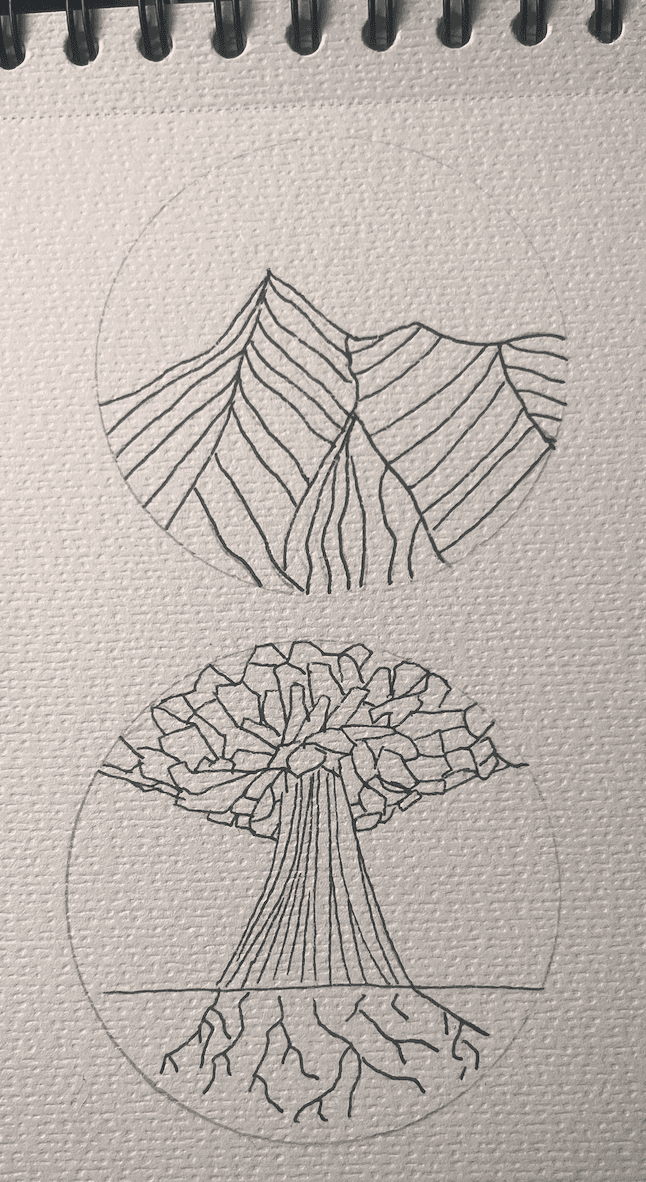
A landscape. Mountains, trees and community as a whole. Probably my strongest entry in terms of how it would actually work as a coin. Simple, clean and readable at a small scale.
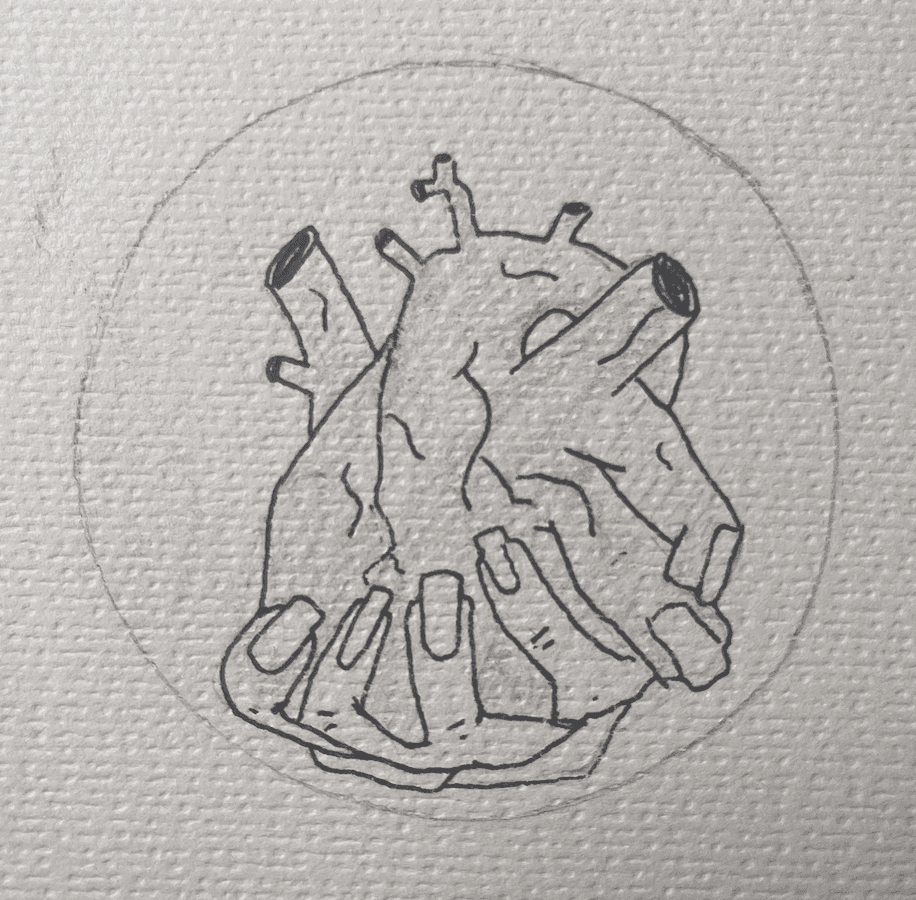
Two hands clasped together forming a heart. Meant to represent care and community through connection. Hands are notoriously difficult to draw, and mine had a slight Frankenstein quality to it. But I liked the concept, and you could tell what I was going for. Potentially a bit too sinister for a British coin!
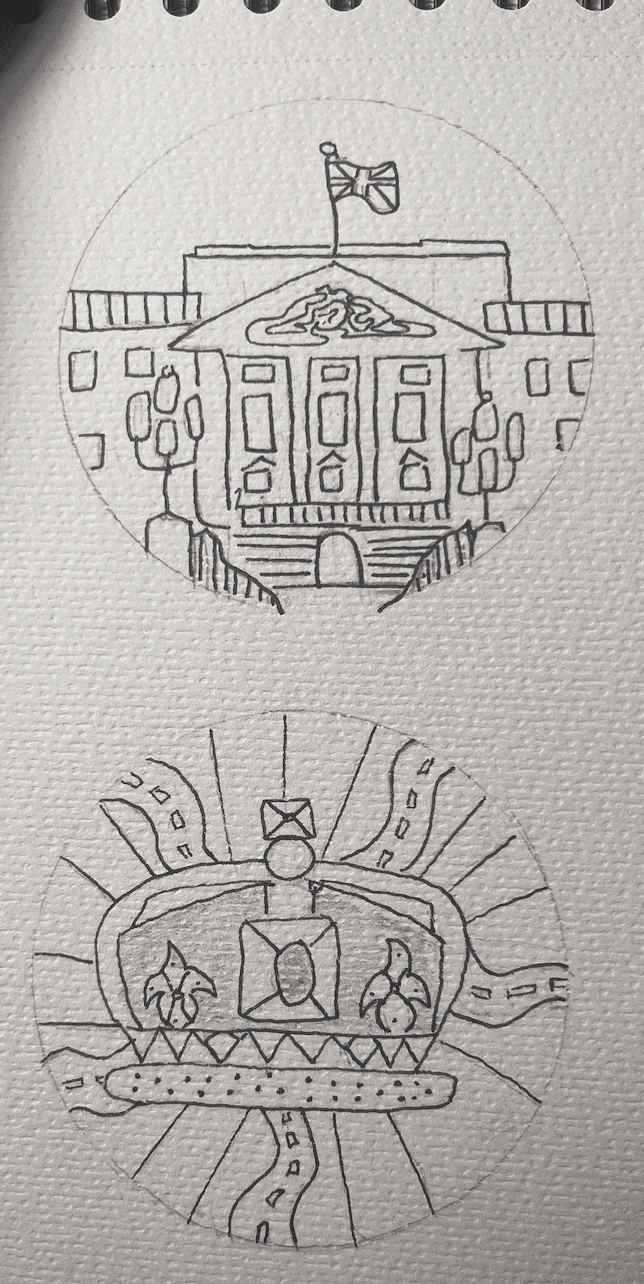
The crown, Buckingham Palace and all paths leading back to it. More detailed than a coin probably needs, but I liked it as a concept.
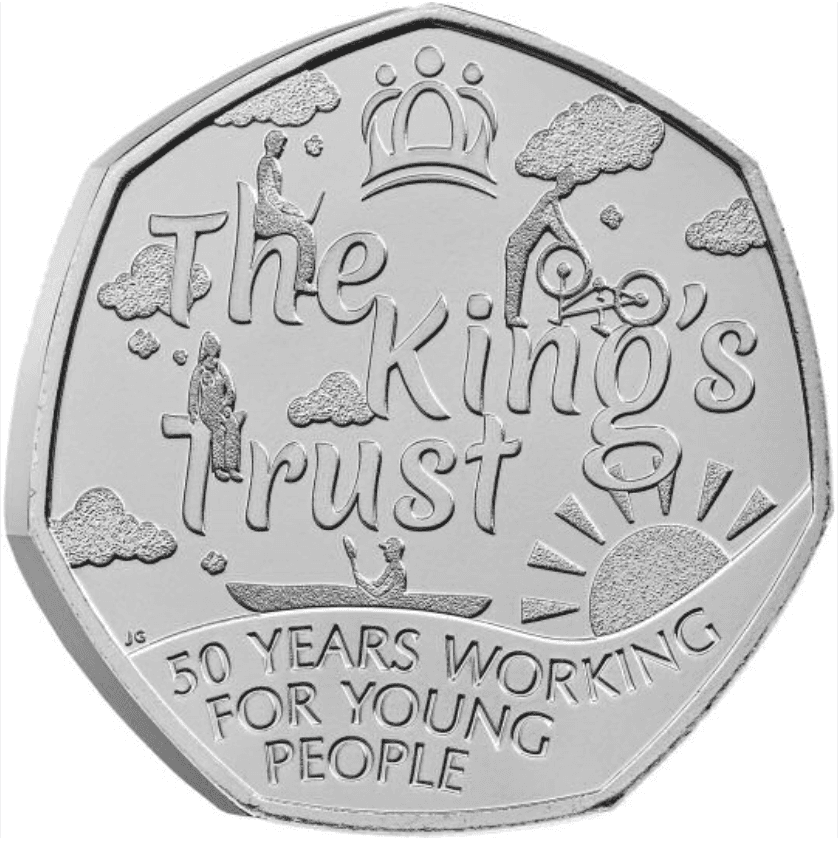
I didn't win, which was not a surprise. The winning design was created by Jessica Gregorio, a graphic designer and former King's Trust beneficiary. Her coin features a flowing stream paying tribute to the charity's Royal Navy origins, a sun representing optimism and clouds symbolising the dreams and ambitions of young people. It's a really lovely design and well deserved.
I really enjoyed having a constraint to work within. A blank page with no brief is harder than it sounds. A brief with a theme and a shape to fill is a completely different kind of challenge, and one I found much more energising.
What I Took Away
Drawing is one of those skills where the gap between where you start and where you can get to with practice is much smaller than it seems from the outside.
I'm not going to win any awards. But I can sit down with a pen and a pad and make something I'm genuinely pleased with, which is more than I could say before. I also found that if you frame something, it just looks ten times better.
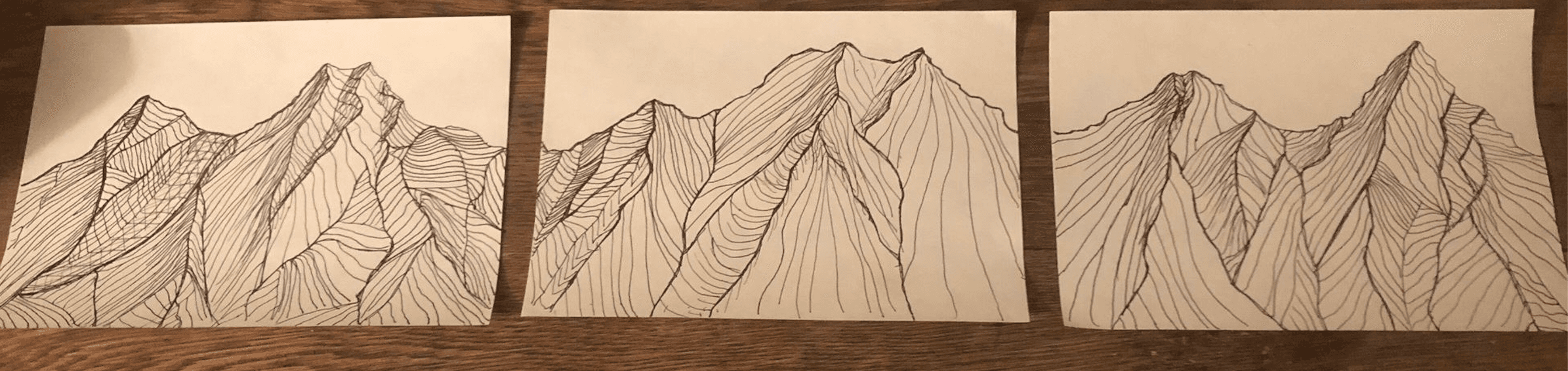
vs
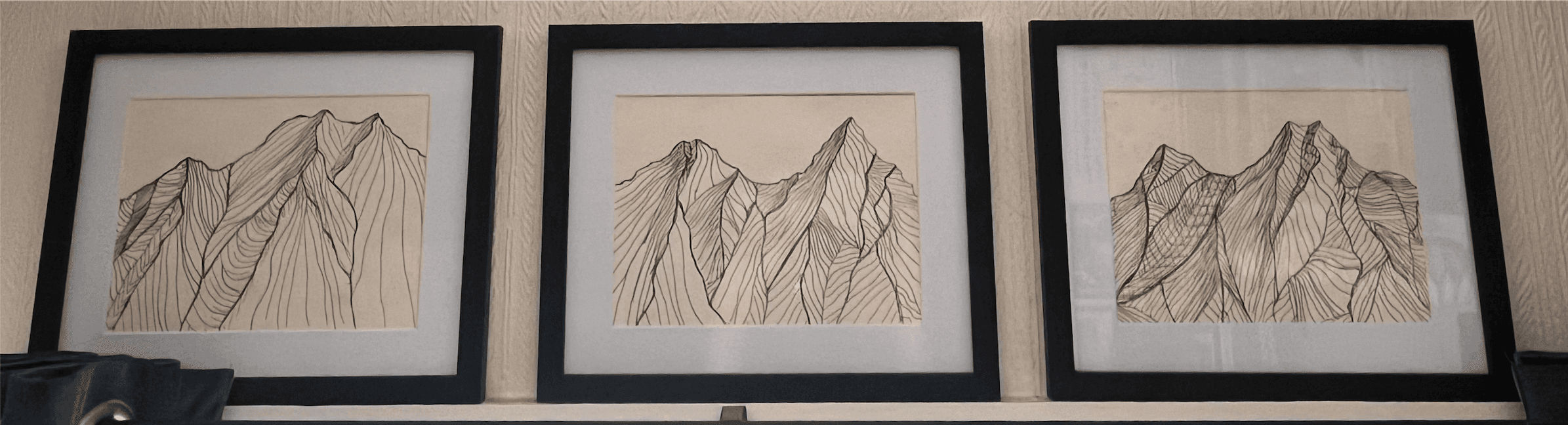
Having a sketchpad where I could rip out the pages I didn't like made a big difference at the start. It removed the pressure of commitment and let me treat each page as a draft rather than a finished piece. I'd recommend that to anyone starting out.
The pen matters too. Find one you like writing with and use that. There's no need for specialist equipment. The Pilot V Ball 0.7 is all I've ever used, and it's done the job perfectly well.
And if you don't know what to draw, find a brief. A competition, a theme, a shape to fill. Constraints are more helpful than freedom when you're starting out.
Special Thanks
To Pinterest, for being an endlessly useful source of reference images that are just achievable enough to be worth attempting.
To the King's Trust and the Royal Mint, for running a competition that gave me a reason to get creative with new ideas.
To Jessica Gregorio, for creating a winning design that genuinely deserved to be on a coin.
To whoever invented the rip-out sketchpad and V-ball pens. Small but important innovations!
Learn to Draw
Key Summary
You don't need expensive equipment. A good pen, a pencil and a sketchpad is all it takes.
Line drawing is a great place to start. One line, no shading, no pressure.
Pinterest is brilliant for finding simple, achievable reference images.
Having constraints, like a coin brief, can unlock creativity in a way that a blank page can't.
Drawing whilst watching TV is one of the best ways to keep the habit going.
Landscapes and buildings are more forgiving than people. Start there.
How It Started
I've always been a little envious of people who can draw well.
Not in a serious, technical way. Just the ability to capture something quickly on paper, to make it look like the thing it's supposed to be. It always seemed like one of those skills that either you had or you didn't.
I wanted to find out whether that was actually true.
I started simply. A new sketchpad from my local craft shop, a couple of quid, a pencil for sketching out ideas and my favourite pen for committing to them. The Pilot V Ball 0.7mm, if you're interested. I'm quite particular about pens 😅
Starting on a fresh page of a new sketchpad is genuinely one of the harder things. I was worried about ruining it. So I got one where I could rip out the pages, which meant only the ones I liked would stay in. That helped more than I expected.
The Experience
I started with line drawing. Simple outlines, no shading, minimal detail. The logic being that if I kept it simple, I couldn't overthink it.
After looking on Pinterest and a few other places for inspiration, I settled on a few subjects to try. An ostrich was my first attempt and went reasonably well.
From there I moved into more freestyle territory (well doodling while watching TV). Buildings, street scenes, a monastery, and mountains inspired by the back of a comedy show I stumbled across on YouTube.
I'd find something I liked the look of and just start drawing/ doodling.
Marine life came next. Jellyfish are surprisingly satisfying to draw. So is an aqua scape scene, all plants and bubbles and flowing lines.
Then I found a competition.
The King's Trust, formerly the Prince's Trust, was celebrating its 50th anniversary in 2026 and had partnered with the Royal Mint to find a design for a commemorative coin. The brief was to capture the values of nature, care and community in a single image small enough to sit on a 50p.
I submitted three design concepts:
A landscape. Mountains, trees and community as a whole. Probably my strongest entry in terms of how it would actually work as a coin. Simple, clean and readable at a small scale.
Two hands clasped together forming a heart. Meant to represent care and community through connection. Hands are notoriously difficult to draw, and mine had a slight Frankenstein quality to it. But I liked the concept, and you could tell what I was going for. Potentially a bit too sinister for a British coin!
The crown, Buckingham Palace and all paths leading back to it. More detailed than a coin probably needs, but I liked it as a concept.
I didn't win, which was not a surprise. The winning design was created by Jessica Gregorio, a graphic designer and former King's Trust beneficiary. Her coin features a flowing stream paying tribute to the charity's Royal Navy origins, a sun representing optimism and clouds symbolising the dreams and ambitions of young people. It's a really lovely design and well deserved.
I really enjoyed having a constraint to work within. A blank page with no brief is harder than it sounds. A brief with a theme and a shape to fill is a completely different kind of challenge, and one I found much more energising.
What I Took Away
Drawing is one of those skills where the gap between where you start and where you can get to with practice is much smaller than it seems from the outside.
I'm not going to win any awards. But I can sit down with a pen and a pad and make something I'm genuinely pleased with, which is more than I could say before. I also found that if you frame something, it just looks ten times better.
vs
Having a sketchpad where I could rip out the pages I didn't like made a big difference at the start. It removed the pressure of commitment and let me treat each page as a draft rather than a finished piece. I'd recommend that to anyone starting out.
The pen matters too. Find one you like writing with and use that. There's no need for specialist equipment. The Pilot V Ball 0.7 is all I've ever used, and it's done the job perfectly well.
And if you don't know what to draw, find a brief. A competition, a theme, a shape to fill. Constraints are more helpful than freedom when you're starting out.
Special Thanks
To Pinterest, for being an endlessly useful source of reference images that are just achievable enough to be worth attempting.
To the King's Trust and the Royal Mint, for running a competition that gave me a reason to get creative with new ideas.
To Jessica Gregorio, for creating a winning design that genuinely deserved to be on a coin.
To whoever invented the rip-out sketchpad and V-ball pens. Small but important innovations!