3D Paper Modelling
Key Summary
3D paper craft is far more effective as a finished product than you'd expect from a kit.
High-quality card and a few simple materials go a long way.
A Pritt stick works perfectly well. No need for anything stronger.
Instructions in a language you don't speak are less of a barrier than you'd think if the images are good.
It's a brilliant alternative to real houseplants if, like me, you love them but struggle to keep them alive.
It's the kind of craft you can do in the background while watching something, and end up with something genuinely displayable.
How It Started
This one started in a mountain shop in Taiwan during a storm.
I'd been caught out by the weather and ducked into a small craft shop to take shelter. It was so cold I could barely think straight. While waiting for the storm to pass, I spotted a display of paper craft kits, each one a different houseplant. Cheese plants, cacti, ferns, vines. All made entirely from card and paper.
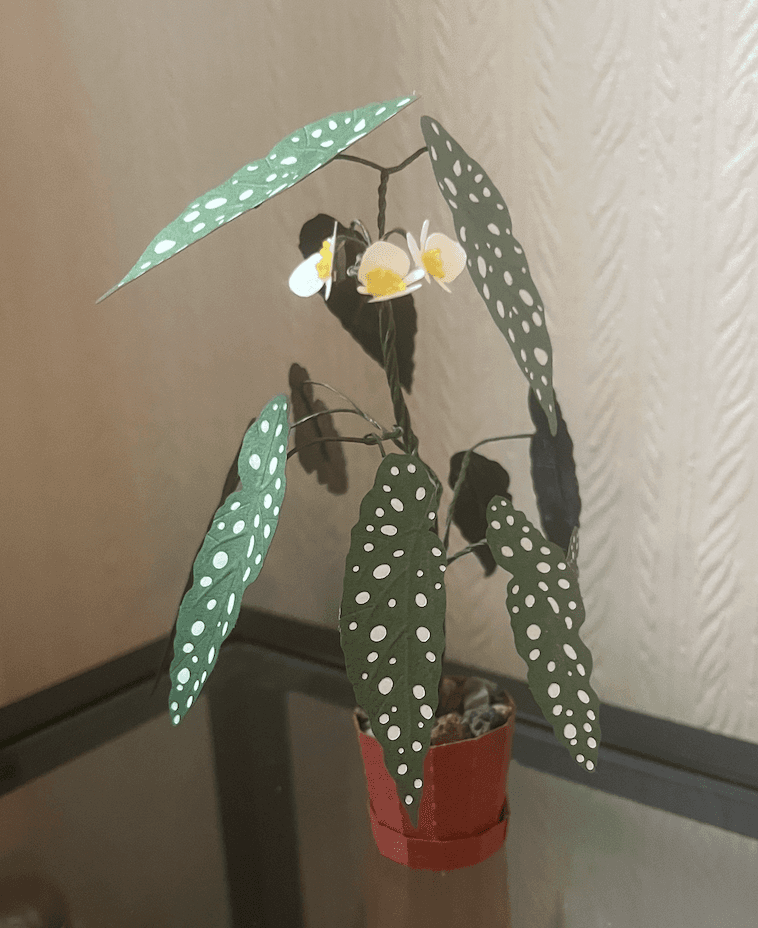
My first thought was presents. They were lightweight, unusual and the kind of thing my family, who like plants and like making things, would genuinely enjoy. So I bought quite a few packs.
Then I looked at them properly and realised I wanted to make them myself too.
As someone who has a long and unfortunate history of overwatering houseplants because I love them too much, I found the paper plants to be the perfect compromise. Not plastic or fake, but wanting to look real. They were just something that could sit on my windowsill and survive my enthusiasm.
The Experience
Each kit came with almost everything you needed. Pre-shaped card pieces, heavy foam discs to weigh down the plant pot so it didn't tip over, small decorative gravel to simulate soil, wire to twist and shape into stems and trunks, and tiny beads for added detail. The only thing missing was glue, so I borrowed my flatmate's Pritt stick - this worked surprisingly well!
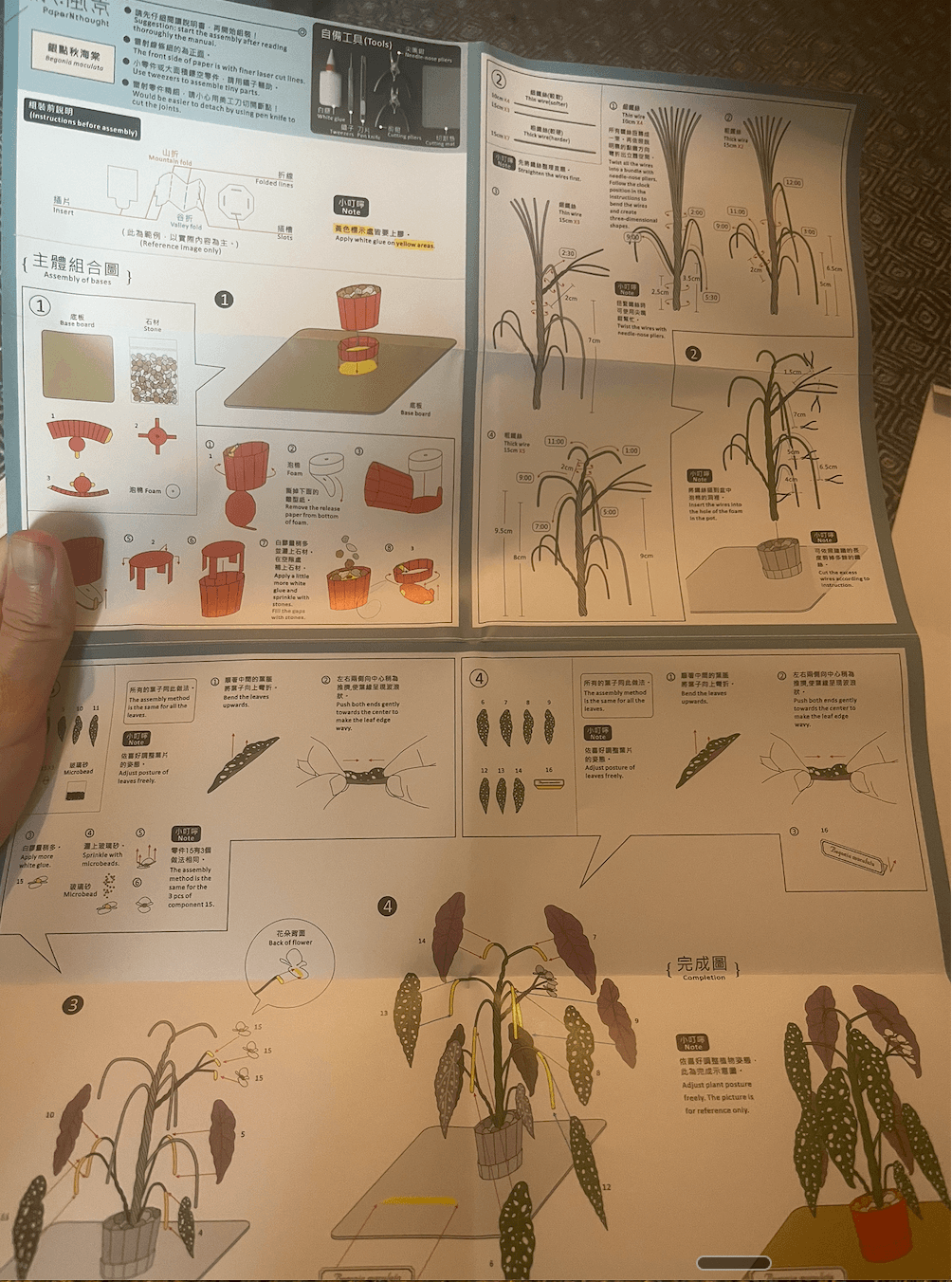
Most of the instructions were written in Taiwanese, which I don't speak, with some English translation. But the images were clear enough that it was largely intuitive. I'm someone who finds written instructions frustrating at the best of times. Give me an IKEA flatpack, and I'll be miserable within ten minutes. This was more like figuring it out as I went along, but I had a few images to use as a loose guide rather than a rigid set of rules.
I made five plants in total. A cheese plant, a plant with distinctive white-spotted leaves, a cactus, a leafy vine and a fern. Each one was different in terms of how it went together, which kept it interesting.
The wire stems were one of the more satisfying parts. Twisting and shaping them into something that actually looked like a plant stem gave each piece a bit of character that you wouldn't get from a fully pre-made kit.
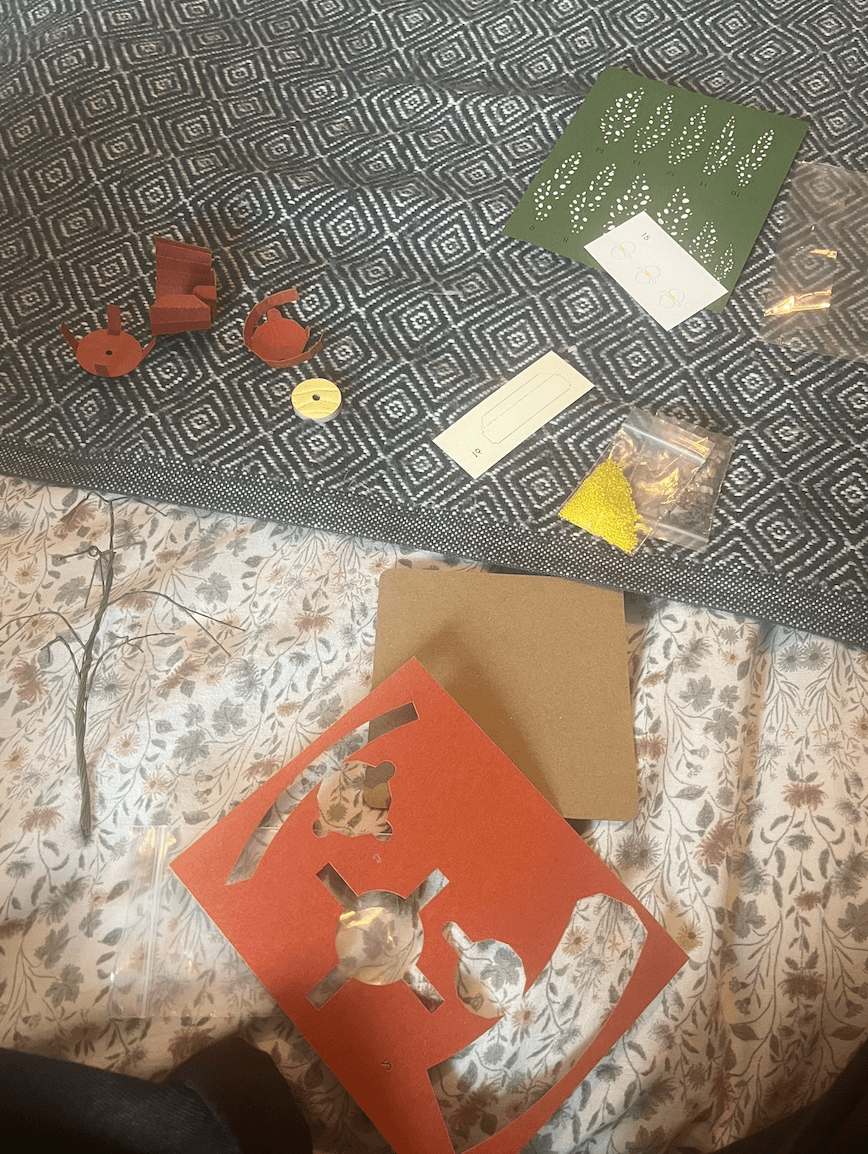
I did most of it while watching a wildlife documentary in the background. It was one of those activities where your hands are busy, but your brain isn't fully occupied, which made it feel productive rather than passive. By the end, I had a windowsill full of paper plants that genuinely looked like they belonged there.
What I Took Away
I was genuinely surprised by how good they looked.
There's a certain type of craft kit that promises a lot in the packaging and delivers something that looks like it was made by a distracted child. This wasn't that. The card quality was high, the details were lovely, and the finished plants have held up well over time. I've had a lot of compliments on them from various friends.
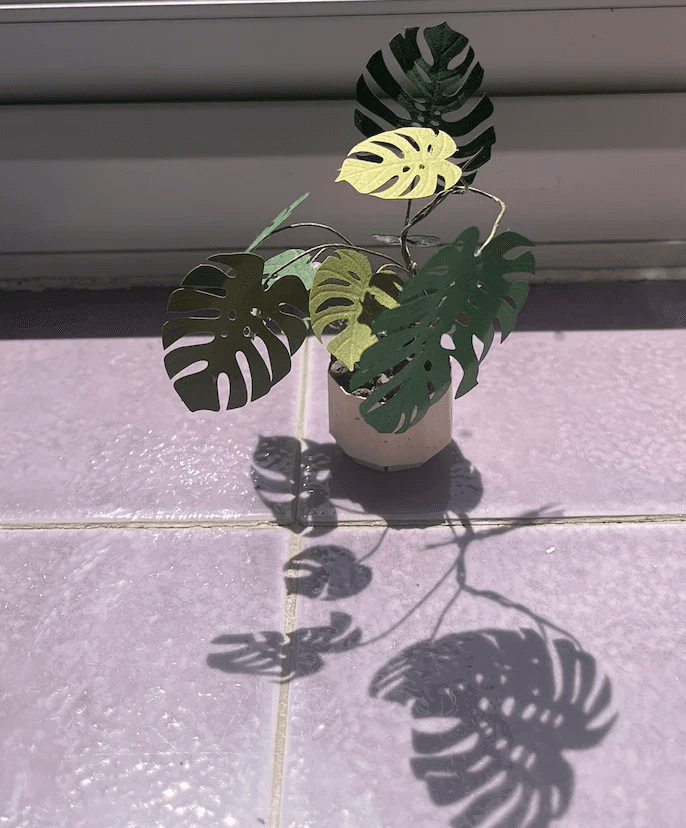
What I enjoyed most was the balance between following a process and using my own intuition. Enough structure to stop it feeling overwhelming, but enough freedom to make each one feel like mine. That's a difficult balance for a kit to get right, and this one managed it.
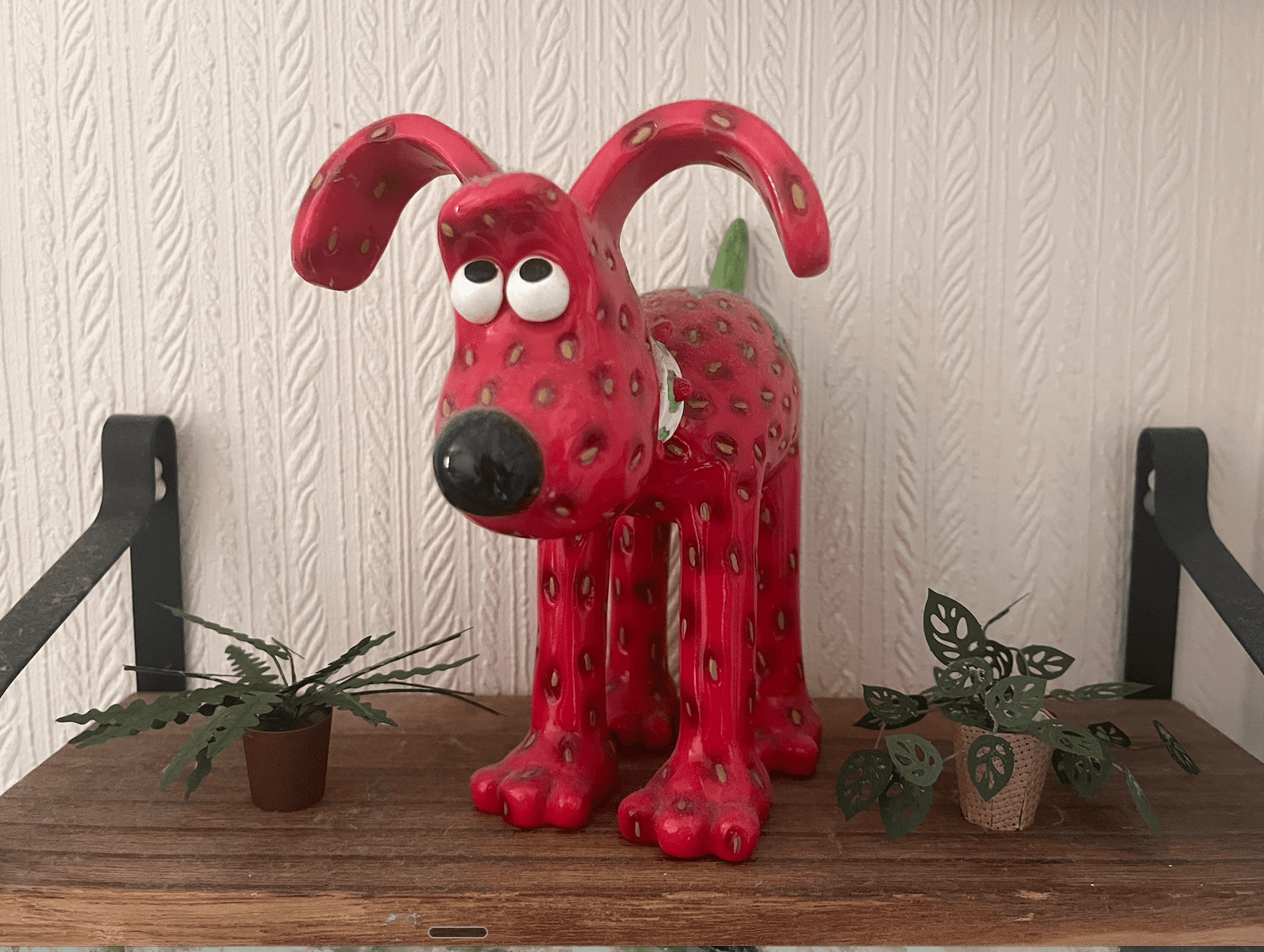
I also liked that it was a craft you could look at every day afterwards. Not something that gets filed away in a drawer or given away, but something that sits on your windowsill and makes the room look better.
As someone who has killed more houseplants than I'd like to admit, having something green and leafy that requires zero watering has been great. It scratched the same itch without the guilt.
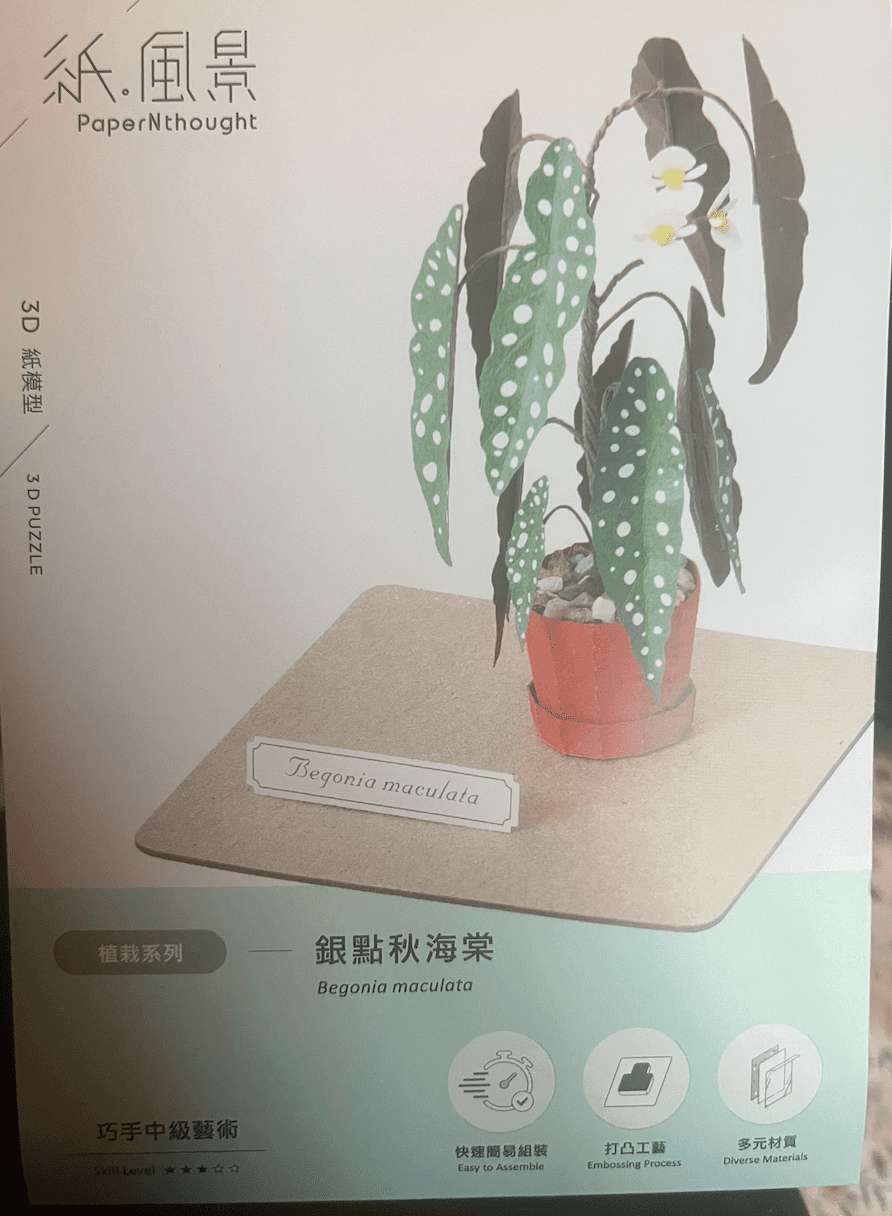
I'd definitely do it again. If you come across these kits, I'd highly recommend picking one up. They're a brilliant thing to do on a slow afternoon, and the result is pretty much the same as what's shown on the picture!
Special Thanks
To the small craft shop in Taiwan, for being exactly the right place to duck into during a storm. Timing is everything.
To my flatmate, for the Pritt stick. The unsung hero of the whole project.
To my houseplants, past and present, for teaching me my limits.
3D Paper Modelling
Key Summary
3D paper craft is far more effective as a finished product than you'd expect from a kit.
High-quality card and a few simple materials go a long way.
A Pritt stick works perfectly well. No need for anything stronger.
Instructions in a language you don't speak are less of a barrier than you'd think if the images are good.
It's a brilliant alternative to real houseplants if, like me, you love them but struggle to keep them alive.
It's the kind of craft you can do in the background while watching something, and end up with something genuinely displayable.
How It Started
This one started in a mountain shop in Taiwan during a storm.
I'd been caught out by the weather and ducked into a small craft shop to take shelter. It was so cold I could barely think straight. While waiting for the storm to pass, I spotted a display of paper craft kits, each one a different houseplant. Cheese plants, cacti, ferns, vines. All made entirely from card and paper.
My first thought was presents. They were lightweight, unusual and the kind of thing my family, who like plants and like making things, would genuinely enjoy. So I bought quite a few packs.
Then I looked at them properly and realised I wanted to make them myself too.
As someone who has a long and unfortunate history of overwatering houseplants because I love them too much, I found the paper plants to be the perfect compromise. Not plastic or fake, but wanting to look real. They were just something that could sit on my windowsill and survive my enthusiasm.
The Experience
Each kit came with almost everything you needed. Pre-shaped card pieces, heavy foam discs to weigh down the plant pot so it didn't tip over, small decorative gravel to simulate soil, wire to twist and shape into stems and trunks, and tiny beads for added detail. The only thing missing was glue, so I borrowed my flatmate's Pritt stick - this worked surprisingly well!
Most of the instructions were written in Taiwanese, which I don't speak, with some English translation. But the images were clear enough that it was largely intuitive. I'm someone who finds written instructions frustrating at the best of times. Give me an IKEA flatpack, and I'll be miserable within ten minutes. This was more like figuring it out as I went along, but I had a few images to use as a loose guide rather than a rigid set of rules.
I made five plants in total. A cheese plant, a plant with distinctive white-spotted leaves, a cactus, a leafy vine and a fern. Each one was different in terms of how it went together, which kept it interesting.
The wire stems were one of the more satisfying parts. Twisting and shaping them into something that actually looked like a plant stem gave each piece a bit of character that you wouldn't get from a fully pre-made kit.
I did most of it while watching a wildlife documentary in the background. It was one of those activities where your hands are busy, but your brain isn't fully occupied, which made it feel productive rather than passive. By the end, I had a windowsill full of paper plants that genuinely looked like they belonged there.
What I Took Away
I was genuinely surprised by how good they looked.
There's a certain type of craft kit that promises a lot in the packaging and delivers something that looks like it was made by a distracted child. This wasn't that. The card quality was high, the details were lovely, and the finished plants have held up well over time. I've had a lot of compliments on them from various friends.
What I enjoyed most was the balance between following a process and using my own intuition. Enough structure to stop it feeling overwhelming, but enough freedom to make each one feel like mine. That's a difficult balance for a kit to get right, and this one managed it.
I also liked that it was a craft you could look at every day afterwards. Not something that gets filed away in a drawer or given away, but something that sits on your windowsill and makes the room look better.
As someone who has killed more houseplants than I'd like to admit, having something green and leafy that requires zero watering has been great. It scratched the same itch without the guilt.
I'd definitely do it again. If you come across these kits, I'd highly recommend picking one up. They're a brilliant thing to do on a slow afternoon, and the result is pretty much the same as what's shown on the picture!
Special Thanks
To the small craft shop in Taiwan, for being exactly the right place to duck into during a storm. Timing is everything.
To my flatmate, for the Pritt stick. The unsung hero of the whole project.
To my houseplants, past and present, for teaching me my limits.